virtual-business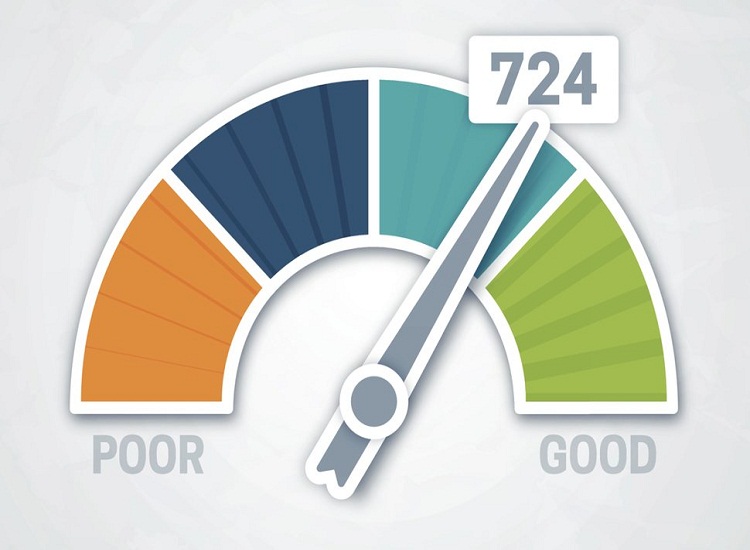
As the world rockets toward an all-digital economy, maintaining good credit is more important than ever. With that said, the use of credit cards has increased for everyday purchases, making them a key to participate in online shopping.
A 2015 study by the Federal Reserve Bank of San Francisco found that the share of American retail purchases made with cash dropped from 40 percent to 32 percent between 2012 and 2015. That’s an astonishing eight percent change in just three years!
Given the importance of credit, it is no wonder that consumers are increasingly worried about their credit scores. Requests for credit reports from American credit reporting agencies have skyrocketed in recent years.
Here are five of the most pernicious myths, along with the facts about maintaining your good credit.
MYTH #1: YOUR CREDIT SCORE IS A SINGLE NUMBER
A credit report does provide a single number to potential lenders, but it contains a great deal of additional information as well. Your credit report includes details about the loans you have taken out and the credit cards you have been issued. Details about your payment history are included. The report contains a wealth of information for the lender. Lenders count on all of that information when making a determination about whether to extend credit, what your credit limit will be, as well as the types of credit you might be eligible for.
America’s three credit reporting agencies almost never report the same score when asked to analyze the same person’s account. There are several reasons for this. Second, different lenders report credit information to different credit reporting agencies. Most lenders report to all three, but many do not. Finally, different lenders may calculate credit scores slightly differently.
That’s just for generic scores. You’re also likely to have a different score calculated according to the specific criteria of lenders in real estate, for instance, and/or auto loans, and department store credit cards. the following:
- Current accounts. Note that credit cards and mortgages are analyzed according to different criteria.
- Payment history. Lenders want to know whether you pay your bills on time.
- Outstanding credit. Reporting agencies calculate your outstanding balance compared to your total amount of available credit.
- New credit. If you have recently opened a bunch of new accounts, that could be a red flag.
- Credit history. Lenders want to know how long you have been borrowing.
- Thus, lenders take much more into account than a single number.
MYTH #2: CHECKING YOUR CREDIT REPORT WILL HURT YOUR SCORE
This pestilent myth has a basis in fact. If your credit report shows a great many inquiries from potential lenders, that may indicate you are in financial trouble and shopping around for loans. A flurry of requests for credit reports can be a red flag.
The credit reports your request don’t show up as negatives on your history. In fact, many lenders believe it is a positive sign that consumers stay on top of their indebtedness by checking their credit histories at least once a year. It’s part of good credit management. Requesting a credit report is more likely to increase than diminish your chances of getting new credit approved.
MYTH #3: THE BEST WAY TO IMPROVE YOUR CREDIT SCORE IS TO PAY OFF ALL YOUR ACCOUNTS AND CLOSE THEM
This myth is partially correct.
Conversely, closing your accounts can have the opposite effect. Lenders and reporting agencies care about how much of your current credit limit you are currently using. That is, they are less interested in how much you owe than in how much you owe compared to how much you are approved to borrow. Sounds complicated, right? Think of it as a ratio. The following example will help shed more light.
If you owe $5,000 in credit card debt, that may not be significant if your credit limit across several cards is $30,000. On the other hand, if you have just one card with a limit of $5,000, then the $5,000 in current debt is quite significant and may disqualify you from opening an account with a second lender.
When you pay off your credit cards, you are decreasing the ratio of credit used to approved credit. That’s great. When you close the accounts, your approved credit is reduced, and that means future credit purchases will represent a higher utilization of your total approved credit. In other words, closing the accounts actually hurts your credit score.
MYTH #4: A BAD PAYMENT HISTORY DOESN’T AFFECT CREDIT SCORES ONCE ACCOUNTS ARE UP TO DATE
Unfortunately, getting caught up on payments doesn’t erase your history of late payments, accounts referred to collections, and bankruptcies. All of that information stays on your report for up to seven years – or longer, depending on the type of bankruptcy.
Getting current is still important. It’s a great sign and it reassures lenders that you are serious about paying your debts. Lenders understand that sometimes circumstances cause us to fall behind on payments. What they need to see is that you are committed to repaying what you borrow and that you don’t walk away from debt.
Missed payments stay on your credit report for three years. If you are a good customer but you are temporarily having trouble paying your bills, it’s worth calling the lender to see if you can reschedule payments. Many lenders are willing to work with customers to allow a few months without payments as long as they are arranged in advance. These arrangements are not reported to credit agencies and do not harm your credit score.
That said, it is still true that a bad payment history continues to affect your credit score for years, even after you have brought the accounts current.
MYTH #5: ALL CREDIT REPAIR SERVICES ARE SCAMS
Corrupt companies have given the credit repair industry a bad name. A simple Google search will reveal many companies that promise to erase derogatory information in your credit report for a fee.
Reputable credit repair companies do exist, doing a lot of good for a lot of people. They understand the rules about credit reporting and how to use those rules to improve your score.
Credit repair services can have incorrect and harmful information removed from your report.
Repair services might advise you to petition creditors for goodwill corrections, in which they remove information about a few late payments from an otherwise unblemished account history. effective A reputable agency can also provide reliable advice on prioritizing payments to existing accounts, applying for new credit, paying down your old debt, and much more.
Many lenders give extra weight to recent credit activity. Showing a trend toward responsible debt repayment can persuade them to be more forthcoming when extending new credit and favorable terms. Follow your credit repair agency’s advice and you could well find yourself with a higher score and more access to home loans, auto loans, and credit cards than you dreamed possible.