virtual-business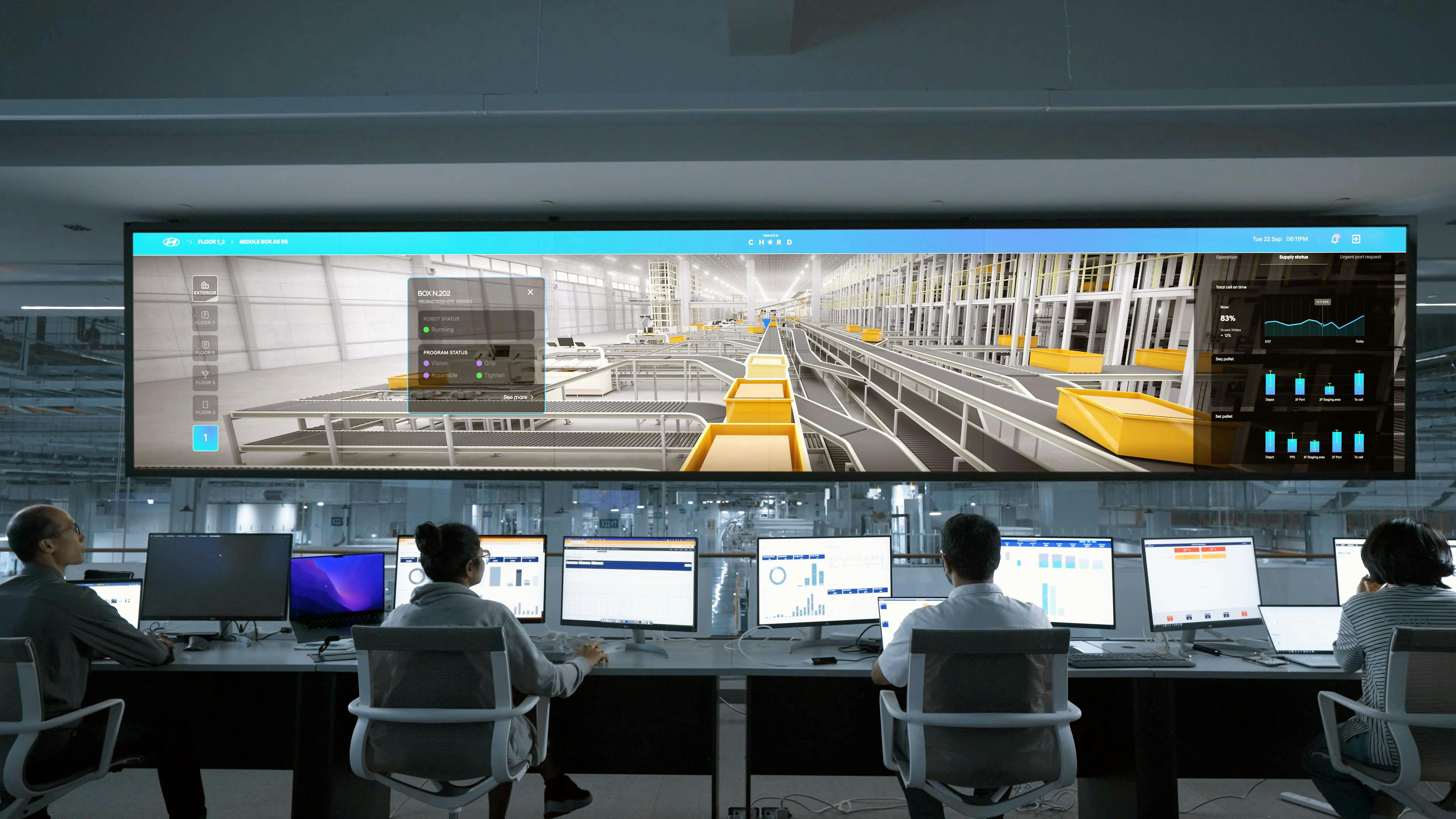
Introduction
Modern buildings have become increasingly sophisticated, combining advanced building systems, workplace technologies, and operational services that require continuous monitoring and management. Maintaining high levels of performance across these environments requires far more than reactive maintenance and manual administration. Organisations are increasingly adopting Facilities Management Software to improve building performance, streamline operational processes, and support more informed decision-making across their property portfolios.
Digital facilities management platforms enable organisations to centralise operational data, automate routine activities, and gain greater visibility into the performance of buildings, assets, and maintenance programmes. Rather than responding to issues after they have affected occupants or disrupted operations, facilities teams can identify trends earlier and implement proactive strategies that improve efficiency and long-term building performance. Companies such as expansive continue to help organisations modernise building management through integrated digital solutions that support operational excellence.
Creating Greater Visibility Across Building Operations
Effective building performance depends on having access to accurate operational information.
Traditional facilities management often relies on multiple disconnected systems, spreadsheets, and manual reporting methods, making it difficult to gain a complete understanding of how a building is performing.
Facilities management software brings operational information together within a single platform, allowing facilities managers to monitor multiple aspects of building performance simultaneously.
This may include:
- Maintenance activities
- Asset performance
- Service requests
- Contractor progress
- Building operational data
Improved visibility enables faster decision-making and helps management teams identify areas where operational improvements can be implemented.
Improving Maintenance Performance
Building performance is closely linked to the reliability of critical assets and equipment.
Heating systems, ventilation equipment, lighting, electrical infrastructure, lifts, and other building services all require ongoing maintenance to perform efficiently.
Facilities management software supports proactive maintenance by helping organisations:
- Schedule preventative maintenance
- Track completed work
- Monitor equipment history
- Prioritise maintenance activities
- Allocate engineering resources more effectively
This planned approach reduces the likelihood of unexpected failures while helping buildings operate more consistently throughout the year.
Supporting Better Asset Management
Every building contains valuable physical assets that require careful management throughout their operational lifecycle.
Without accurate information, organisations may struggle to understand asset condition, maintenance requirements, or replacement priorities.
Facilities management software improves asset management by maintaining centralised records that provide better oversight of equipment performance.
Facilities teams can monitor:
- Asset age
- Maintenance history
- Service frequency
- Operational condition
- Planned replacement schedules
Improved asset visibility helps organisations make more informed investment decisions while extending equipment lifespan wherever possible.
Enhancing Workplace Comfort
Building performance is measured not only by operational efficiency but also by the experience of those using the building.
Employees, visitors, tenants, and customers all expect safe, comfortable, and well-maintained environments.
Facilities management software helps organisations respond more effectively to service requests while maintaining better control over building conditions.
Benefits include:
- Faster response to maintenance issues
- Improved workplace reliability
- Better coordination of facilities services
- More consistent service delivery
A well-managed building creates a more productive and positive environment for everyone who occupies it.
Strengthening Operational Decision-Making
Modern facilities teams increasingly rely on data rather than assumptions when managing buildings.
Facilities management software provides access to real-time operational information that supports more accurate planning and continuous improvement.
Performance data allows organisations to:
- Identify recurring maintenance issues
- Measure operational efficiency
- Improve resource allocation
- Prioritise capital investment
- Monitor service performance
Access to reliable information enables facilities managers to make strategic decisions that improve both operational performance and long-term building management.
Supporting Sustainability Objectives
Many organisations now place sustainability at the centre of their building management strategies.
Facilities management software helps support these objectives by improving operational efficiency and providing better visibility into building performance.
Digital systems help organisations identify opportunities to:
- Reduce unnecessary energy use
- Improve maintenance efficiency
- Extend asset lifespan
- Reduce operational waste
- Support environmental reporting
These improvements contribute to more sustainable building operations while helping organisations achieve wider environmental objectives.
Frequently Asked Questions (FAQs)
How does facilities management software improve building performance?
It provides greater visibility into maintenance, assets, operational activities, and building services, allowing organisations to improve efficiency and respond proactively to operational challenges.
Can facilities management software reduce maintenance costs?
Preventative maintenance and improved asset management often reduce unexpected repairs while helping extend equipment lifespan.
Does facilities management software improve workplace experience?
Yes. Faster maintenance responses, improved service delivery, and better-managed buildings contribute to more comfortable and productive workplace environments.
Is facilities management software suitable for large property portfolios?
Yes. Centralised platforms provide consistent oversight across multiple buildings, improving operational control and reporting.
How does digital facilities management support sustainability?
Digital systems improve maintenance planning, reduce waste, optimise resource usage, and support more efficient building operations.
Conclusion
Facilities management software plays a significant role in improving building performance by strengthening maintenance planning, increasing operational visibility, supporting better asset management, and enabling smarter decision-making.
With integrated solutions from companies such as expansive, organisations can create more efficient, reliable, and sustainable buildings while improving workplace experiences and supporting long-term operational success.