virtual-business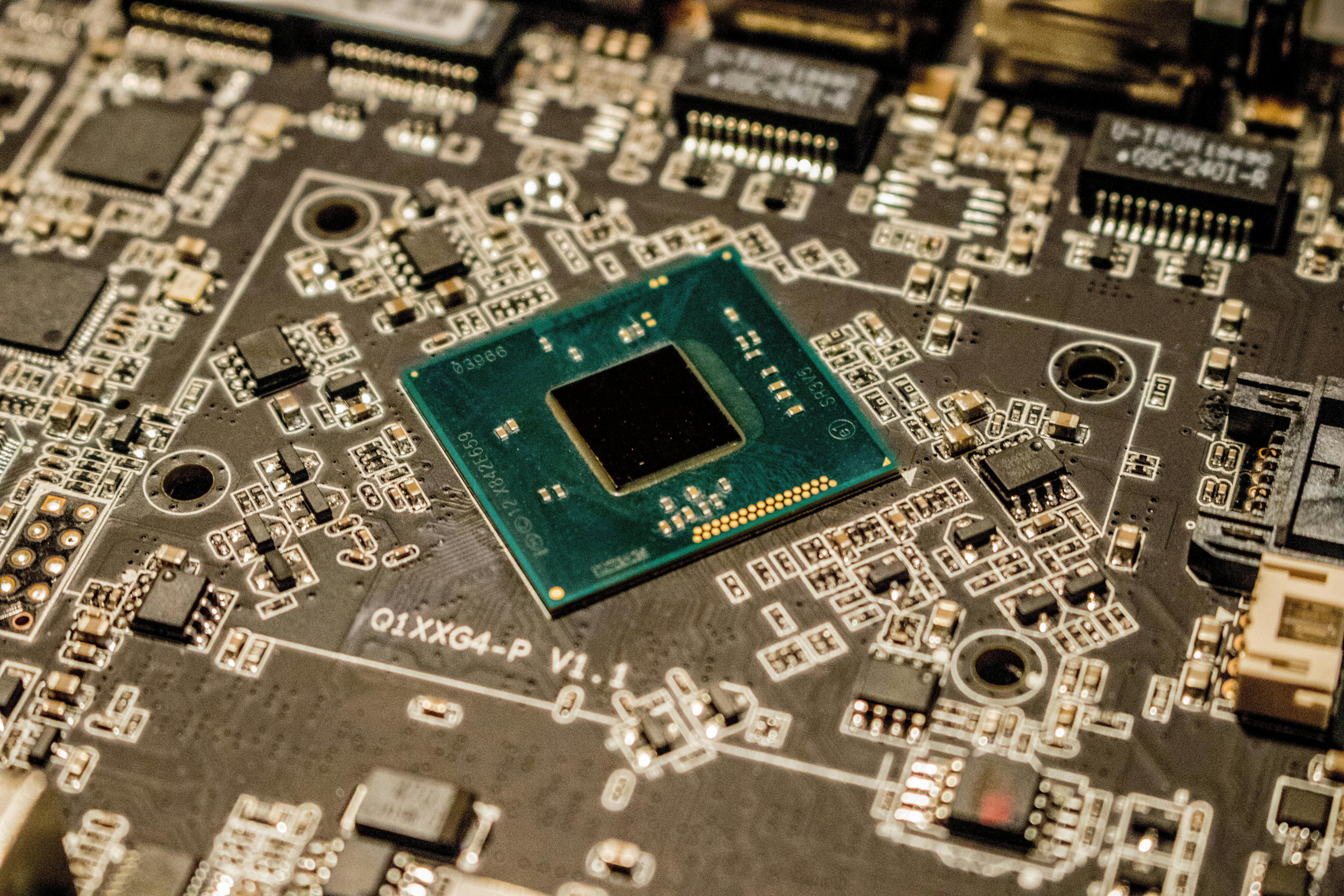
Artificial intelligence has rapidly evolved from a niche area of research into a transformative force influencing industries, economies, and everyday life. From virtual assistants and recommendation systems to advanced medical diagnostics and autonomous technologies, AI applications continue to expand at an unprecedented pace. Behind these innovations lies a critical component that often receives less attention than the software itself: high-performance semiconductor chips.
As AI models become larger and more sophisticated, the demand for computational power continues to rise. Training and deploying modern AI systems require immense processing capabilities, efficient energy consumption, and the ability to handle vast amounts of data simultaneously. High-performance chips have emerged as the foundation of this technological shift, enabling AI systems to operate faster, smarter, and more efficiently than ever before.
The Growing Relationship Between AI and Advanced Computing
Artificial intelligence relies on complex mathematical operations that must be executed continuously and at remarkable speed. Traditional processors were designed for general-purpose computing tasks, but AI workloads demand specialised architectures capable of handling parallel processing on a massive scale.
This need has driven significant innovation across the semiconductor industry. Companies are investing heavily in graphics processing units (GPUs), AI accelerators, and custom-designed chips that can process enormous datasets efficiently. These advancements allow organisations to train sophisticated machine learning models in days or weeks rather than months, accelerating research and development across multiple sectors.
Industry experts, research institutions, and technology leaders consistently highlight computing infrastructure as one of the key factors determining the future pace of AI innovation. As models continue to grow in complexity, access to advanced semiconductor technology has become a strategic advantage for businesses seeking to remain competitive in an increasingly AI-driven economy.
Why High-Performance Chips Matter More Than Ever
The effectiveness of an AI system depends not only on the quality of its algorithms but also on the hardware supporting those algorithms. High-performance chips provide the speed and efficiency necessary to process vast quantities of information while minimising latency and energy consumption.
Modern AI applications often involve billions of parameters and require real-time decision-making capabilities. Whether analysing medical images, optimising supply chains, or powering autonomous systems, AI models must process information almost instantaneously. Advanced semiconductor architectures make these capabilities possible by increasing computational throughput while maintaining operational efficiency.
The growing importance of chip technology has also attracted attention from investors and market analysts. Semiconductor manufacturers are increasingly viewed as essential participants in the AI ecosystem, and market interest often reflects expectations about future AI growth. Discussions surrounding metrics such as the AMD share price frequently highlight broader conversations about the industry’s role in supporting next-generation artificial intelligence infrastructure.
Transforming Industries Through AI-Powered Hardware
Healthcare represents one of the most compelling examples of how advanced chips are enabling practical AI applications. Researchers and healthcare providers use AI systems to analyse medical imaging, identify disease patterns, and support treatment planning. These tasks require substantial computational resources that would be difficult to achieve without specialised hardware.
Financial institutions also rely heavily on high-performance computing to support fraud detection, risk analysis, and algorithmic trading. AI models process enormous streams of transactional data in real time, helping organisations identify anomalies and make informed decisions more quickly. Faster processing capabilities improve both accuracy and responsiveness in environments where timing is critical.
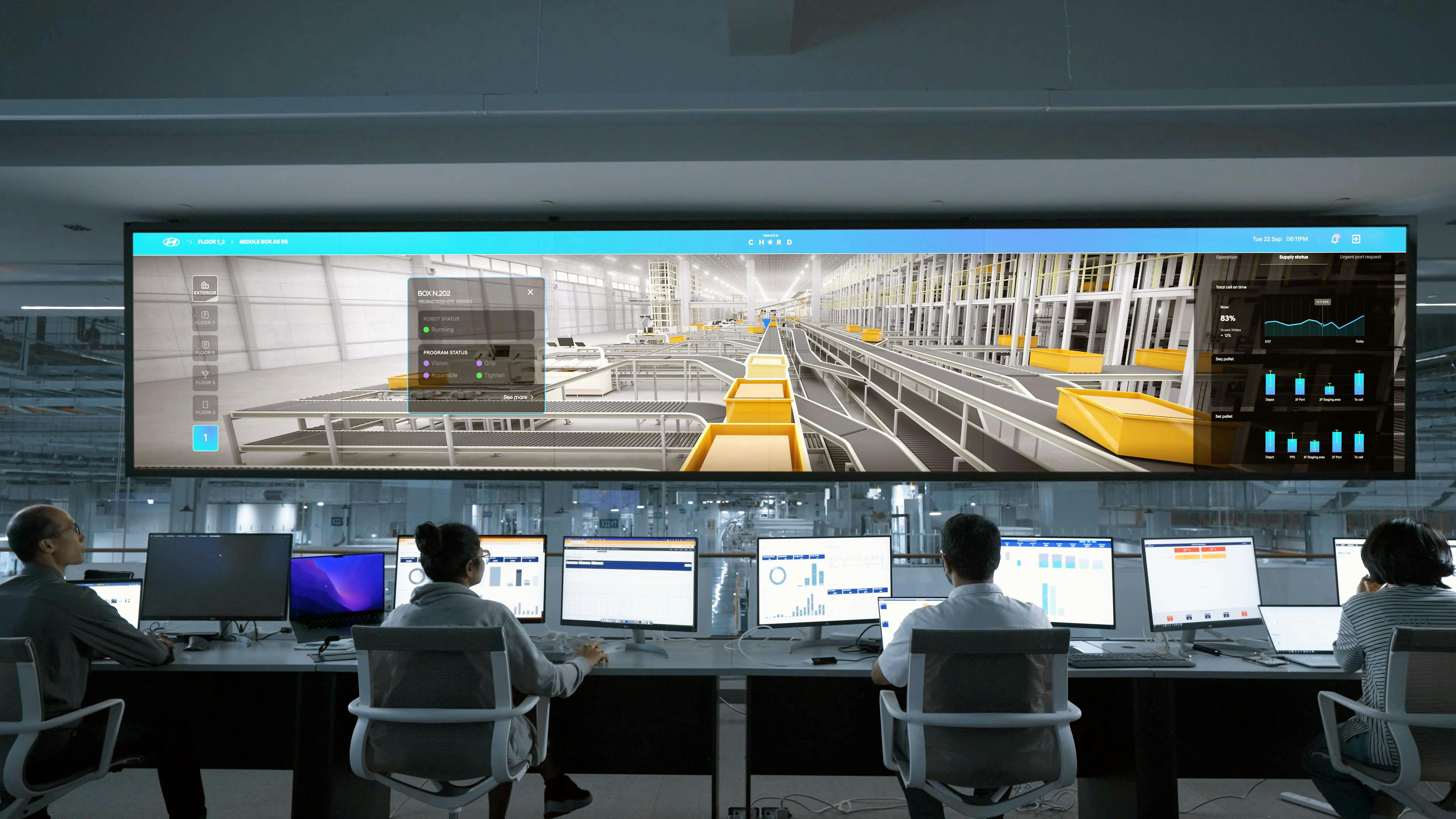
Manufacturing, transportation, and logistics are experiencing similar transformations. AI-powered systems optimise production schedules, monitor equipment performance, and improve route planning. Advanced chips provide the processing power needed to manage these complex operations efficiently, allowing businesses to reduce costs while improving productivity and reliability.
The Push Toward Energy Efficiency and Scalability
While performance remains a priority, energy efficiency has become an equally important consideration. Training large AI models can require significant power consumption, prompting technology companies and chip designers to focus on developing more efficient hardware solutions.
Innovations in chip architecture now emphasise achieving higher performance per watt. This approach allows organisations to scale AI operations without proportionally increasing energy costs. Efficient hardware is particularly important for data centres, where electricity consumption and cooling requirements represent substantial operational expenses.
Scalability is another critical factor shaping future chip development. As AI adoption expands across industries, organisations need infrastructure capable of supporting growing workloads. High-performance chips designed for scalability help ensure that businesses can continue to expand their AI capabilities without constantly replacing existing systems or rebuilding entire technology environments.
Conclusion
Artificial intelligence may capture headlines with its groundbreaking capabilities, but none of those achievements would be possible without the computing power provided by advanced semiconductor chips. High-performance hardware enables AI systems to process data, learn from experience, and deliver meaningful results at a once unimaginable scale.
As industries continue integrating AI into their operations, the importance of semiconductor innovation will only grow. The future of artificial intelligence is not defined solely by software breakthroughs but also by the powerful chips working behind the scenes. Together, advances in hardware and AI are creating new opportunities for innovation, efficiency, and progress across virtually every sector of the global economy.